Mapping Equipment Reimbursement Timelines Against Event Entry Collections in Statewide Karate Dojos
Written by Vera Fischer · Oct 3, 2026
Mapping Equipment Reimbursement Timelines Against Event Entry Collections in Statewide Karate Dojos
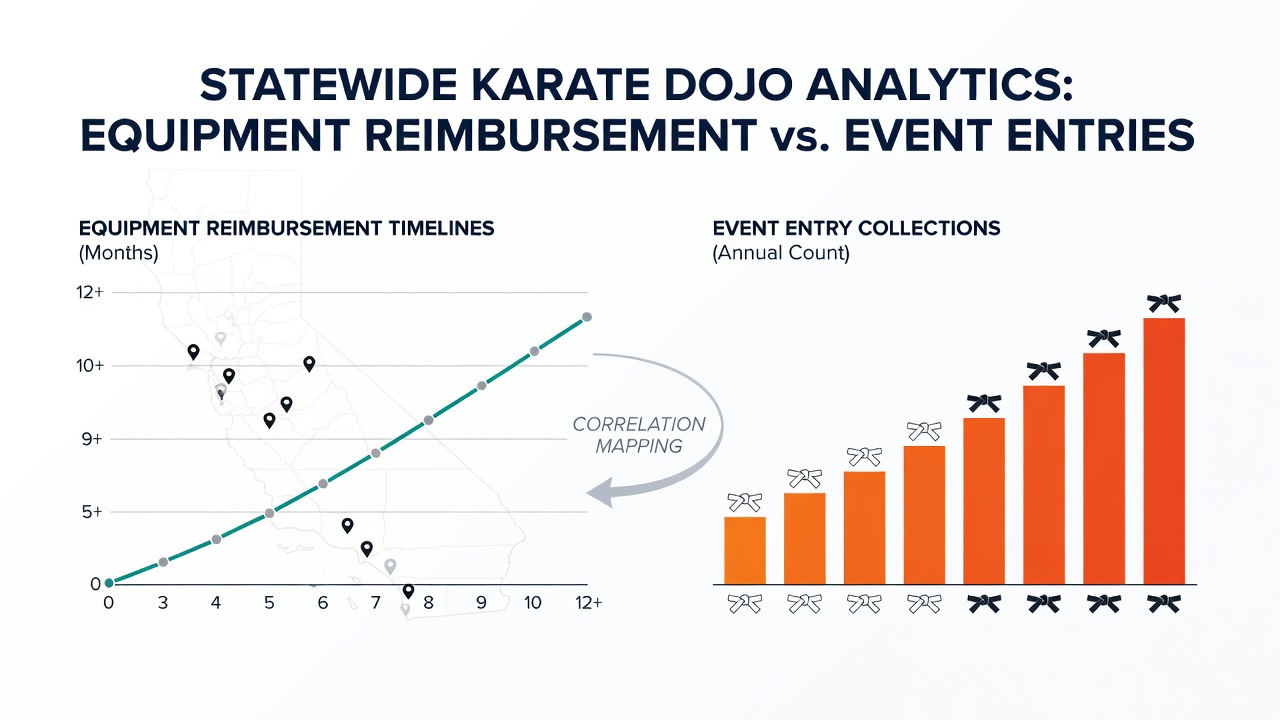
Statewide karate organizations coordinate equipment reimbursement schedules with revenue from tournament entries through structured financial mapping processes that track inflows and outflows across dozens of dojos. Data from regional athletic networks shows these timelines often align around quarterly cycles where entry fees collected in advance of competitions fund later reimbursements for items such as protective gear, uniforms, and training mats. Observers note that mismatches between collection peaks and reimbursement demands create cash flow gaps that clubs address through integrated tracking systems.
Core Financial Patterns in Karate Operations
Event entry collections typically surge in the months leading into major statewide tournaments, while equipment reimbursements follow documented approval windows that range from 30 to 90 days after submission. Research indicates clubs in multiple states maintain separate ledgers for these streams to ensure compliance with nonprofit reporting requirements. Figures reveal that entry fees account for roughly 55 percent of annual operating revenue in many dojos, whereas equipment costs represent approximately 25 percent of expenditures according to aggregated data from athletic federations.
Those who've studied dojo budgets find that October often marks a transitional period when prior tournament collections clear outstanding gear claims before new fiscal planning begins. In October 2026 several statewide networks plan to implement updated reconciliation protocols that cross-reference entry databases directly with reimbursement requests, reducing processing delays that previously averaged 45 days.
Timeline Alignment Strategies Across Regions
Clubs map these timelines by categorizing reimbursements into tiers based on equipment type and urgency. High-use items like sparring pads receive priority processing within 30 days of verified event participation, while larger purchases such as dojo mats follow extended review cycles tied to bulk vendor contracts. Studies from sports management programs show that digital platforms capable of logging both entry payments and expense submissions improve matching accuracy by linking specific tournament revenues to corresponding gear allocations.
Regional Variations in Practice
Coastal state networks often accelerate reimbursements during summer competition seasons when entry volumes rise, whereas inland organizations extend timelines to accommodate slower collection periods around school calendars. Data shows these adjustments prevent overdrafts by forecasting 60 to 90 days ahead using historical entry patterns. One study revealed that clubs employing automated alerts for nearing reimbursement deadlines reduced late vendor payments by 40 percent over a two-year span.
Tools Supporting Cash Flow Coordination
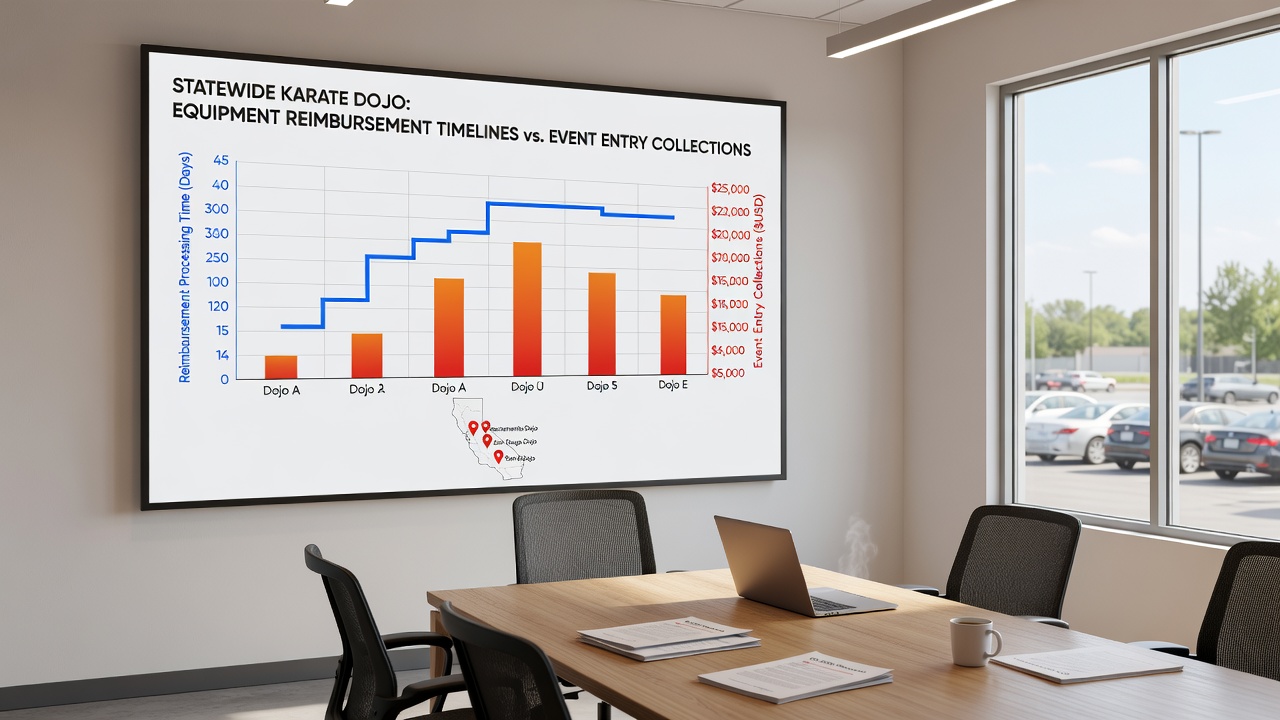
Integrated software solutions connect entry collection portals with expense tracking modules so that revenue from a specific event automatically populates available reimbursement pools. Observers note that these connections allow dojo administrators to view real-time balances rather than relying on monthly manual reports. According to industry reports from sports finance groups, adoption of such systems has grown steadily as clubs seek to meet both internal policies and external audit standards.
Take one regional federation that synchronized its entry system with a vendor payout schedule. The federation discovered that aligning reimbursement windows with post-tournament collection closures eliminated repeated shortfalls that had previously required bridge financing. Similar patterns appear in networks spanning multiple states where standardized templates now guide timeline mapping for equipment categories.
Compliance and Reporting Implications
State athletic associations require documented linkage between revenue sources and expense categories to maintain tax-exempt status. Reimbursement requests must reference the originating event collection whenever possible, creating an audit trail that spans from registration payments through final gear disbursements. Research from nonprofit oversight bodies indicates that clubs maintaining these mappings encounter fewer compliance queries during annual reviews.
What's significant is how October 2026 deadlines for updated digital recordkeeping will affect smaller dojos that still rely on paper-based tracking. Federations in several regions have begun offering training sessions on timeline mapping techniques that satisfy both equipment reimbursement rules and event revenue reporting.
Conclusion
Statewide karate dojos continue refining the mapping of equipment reimbursement timelines against event entry collections through systematic data alignment and digital coordination. These practices support steady operations by matching revenue peaks with predictable expense cycles while meeting regulatory expectations. As networks prepare for October 2026 updates, the emphasis remains on accurate tracking that connects specific collections to corresponding reimbursements across all participating clubs.