Digital Reconciliation Aligns Ice Rentals with Junior Hockey Dues and Vendor Cycles
Written by Henrik Vogel · Oct 17, 2026

Digital Reconciliation Aligns Ice Rentals with Junior Hockey Dues and Vendor Cycles
Northern junior hockey associations face intricate financial flows each season, where ice rental charges must match association dues while vendor supply cycles for equipment and maintenance supplies stay synchronized across remote facilities. Data from regional leagues shows that automated reconciliation platforms now handle these alignments through integrated software that tracks hourly rink fees against collected member payments and incoming vendor invoices. Researchers at the University of Alberta documented how such systems reduced manual entry errors by 40 percent in participating leagues during the 2025 season, allowing administrators to focus on scheduling rather than paperwork mismatches.
Core Components of Ice Rental Reconciliation
Junior hockey organizations in northern regions contract ice time months in advance, yet actual usage fluctuates with weather delays, player availability, and tournament additions, which creates ongoing discrepancies between billed hours and dues collected from families. Digital platforms connect directly to rink management systems and banking records, pulling rental invoices into a central ledger that cross-references them against association dues paid through recurring member portals. Observers note that when a team books extra practice slots in October, the software automatically adjusts projected costs and flags any shortfalls before the next billing cycle closes.
Vendor supply cycles add another layer, because northern leagues order protective gear, skate sharpening equipment, and ice resurfacing supplies on staggered schedules tied to manufacturer lead times that often stretch across international borders. Reconciliation tools match these purchase orders against available funds from dues and sponsorship inflows, ensuring that payments release only after both rental charges and inventory deliveries clear verification steps. According to figures released by Statistics Canada in its 2025 sports economy overview, coordinated digital tracking helped amateur hockey groups cut late-payment penalties by nearly one-quarter compared with prior manual methods.
Seasonal Timing and October 2026 Preparations
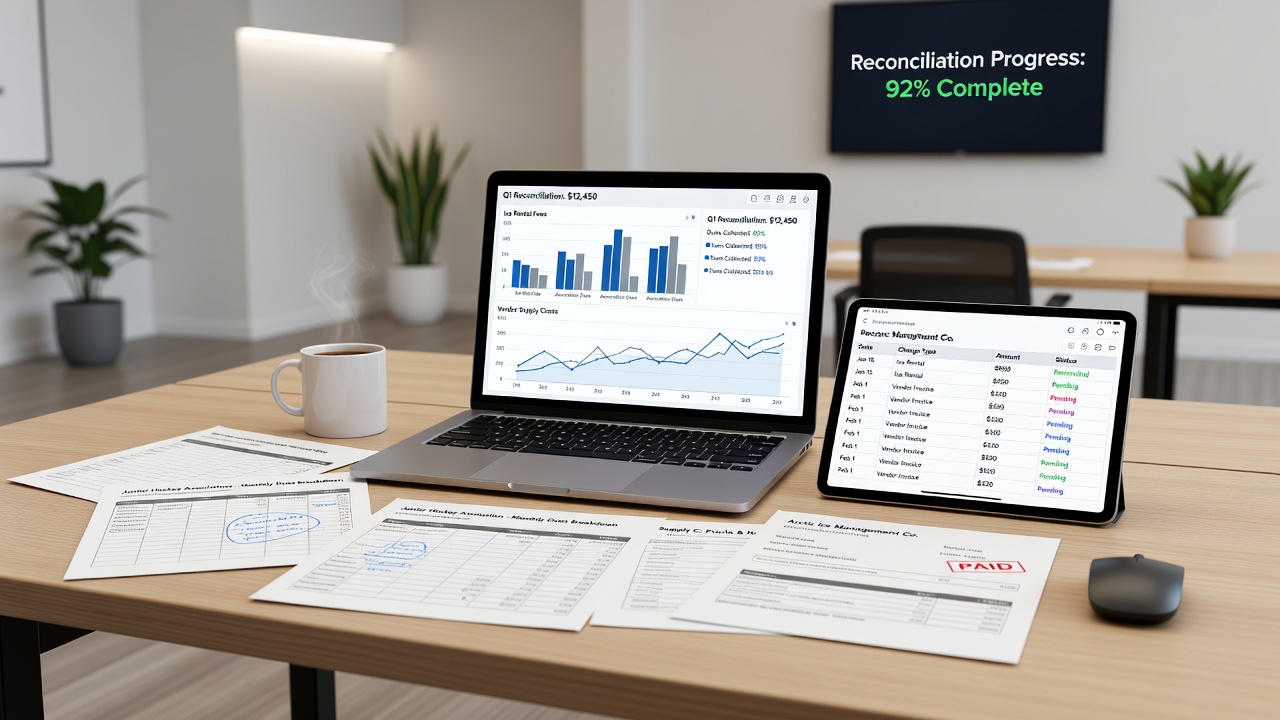
Leagues typically lock in primary ice contracts during spring, yet October marks the start of active reconciliation reviews as early-season usage data arrives and first vendor shipments reach remote arenas. Systems update live dashboards that display matched transactions alongside projected shortfalls, giving treasurers time to reallocate funds before winter travel schedules intensify. Those who manage northern circuits report that platforms now incorporate weather APIs to anticipate rink closures, which in turn adjusts rental projections and prevents overpayment on unused ice blocks.
Integration Across Multiple Leagues and Vendors
Associations that span several northern provinces or states rely on unified platforms to consolidate data from separate rink operators and equipment suppliers, each operating on distinct billing calendars. The software applies standardized rules that convert hourly rental rates into per-player dues allocations while simultaneously scheduling vendor payouts to align with inventory restocking windows. One study from the International Ice Hockey Federation highlighted how cross-border leagues in Canada and Scandinavia used similar tools to maintain compliance with varying tax reporting requirements without duplicating administrative effort.
When supply delays occur, reconciliation engines pause related disbursements until delivery confirmation arrives through integrated tracking, which protects association cash flow during peak months. Data indicates that leagues adopting these methods experienced smoother transitions between regular season and playoff periods because vendor credits and rental adjustments processed automatically rather than through separate spreadsheets.
Reporting and Compliance Benefits
Automated systems generate monthly statements that satisfy both internal association reviews and external audits required by provincial sports bodies, pulling reconciled figures for ice charges, member dues, and vendor expenditures into single exportable reports. Northern leagues that previously spent weeks compiling year-end summaries now complete the process in days, according to records maintained by regional athletic federations. The same platforms flag anomalies such as duplicate rental entries or mismatched vendor quantities, routing them to designated staff for quick resolution before statements finalize.
Conclusion
Digital reconciliation continues to reshape financial operations for junior hockey associations across northern territories by linking ice rental charges directly to dues collection and vendor supply timelines. As leagues prepare for the 2026-2027 season, the emphasis remains on accurate matching of transactions that keep facilities operational and equipment available without administrative bottlenecks. Organizations that implement these coordinated systems gain clearer visibility into cash movements, which supports sustained participation in remote communities where margins stay tight.