Charting Expenditure Patterns in High School Esports Leagues via Consolidated Transaction Logs
Written by Vera Fischer · Sep 19, 2026
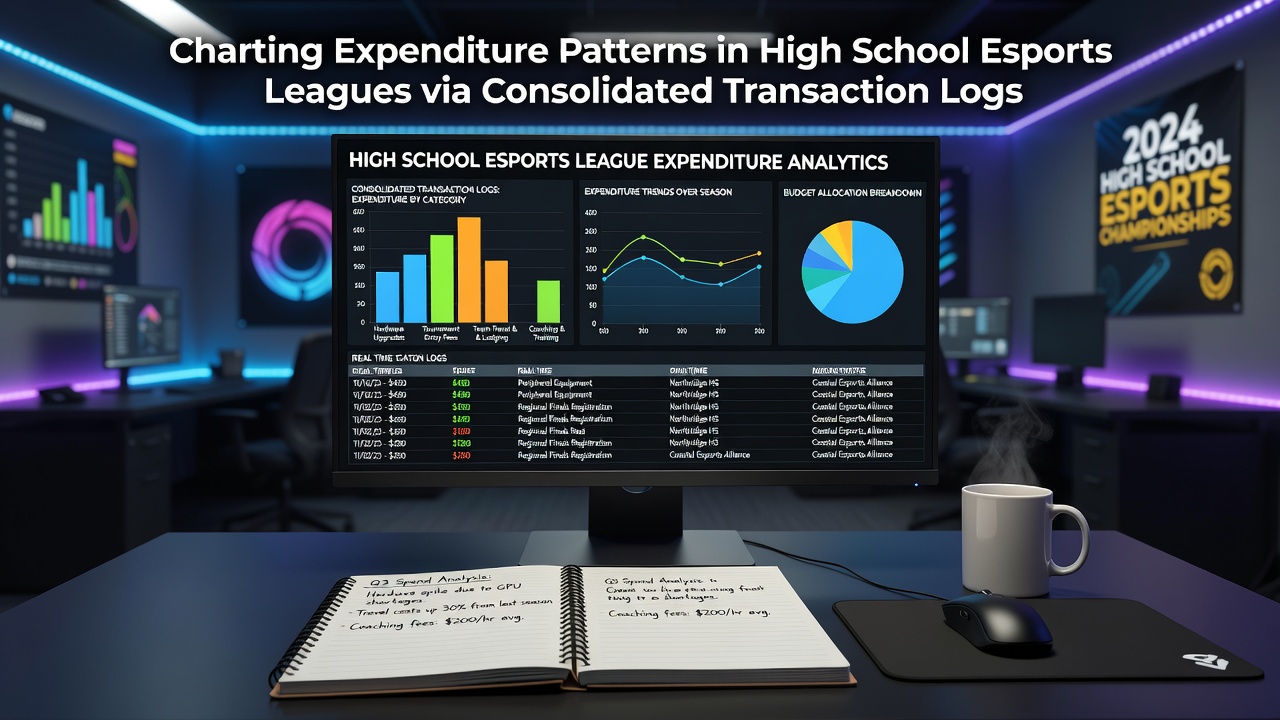
Charting Expenditure Patterns in High School Esports Leagues via Consolidated Transaction Logs
High school esports leagues have expanded rapidly across multiple regions, and consolidated transaction logs now serve as the primary mechanism for mapping how funds move through equipment purchases, tournament registrations, software subscriptions, and travel stipends. These logs aggregate data from various payment channels into unified records that reveal spending rhythms tied to seasonal calendars, regional events, and hardware refresh cycles. Observers note that September 2026 marks the start of several new league seasons where updated logging protocols will capture expenditures at a finer grain than in prior years.
Core Components of Consolidated Transaction Logs
Transaction logs in this context compile entries from digital wallets, bank transfers, vendor invoices, and registration portals into single datasets that administrators can query by category, date range, or participant group. Researchers have documented how these systems flag recurring charges for game licenses and peripheral replacements while also isolating one-time outlays for event venues and coaching stipends. Data shows that schools participating in multi-state competitions generate logs containing thousands of line items per semester, which allows pattern detection across hardware categories such as monitors, headsets, and custom PCs. Those who maintain these records report that cross-referencing timestamps with league schedules highlights spikes in spending immediately before regional qualifiers and national finals.
Identified Expenditure Categories and Seasonal Rhythms
Expenditure categories cluster around four main areas according to aggregated log analysis: digital assets including game titles and streaming services, physical gear ranging from ergonomic chairs to team jerseys, operational costs such as venue rentals and internet upgrades, and personnel payments covering coaches and technical support. Logs indicate that digital asset purchases often peak in late summer ahead of the fall season, while physical gear acquisitions cluster in January and February when schools allocate mid-year budget surpluses. Travel stipends appear most frequently in March and April when interstate tournaments intensify, creating clear quarterly signatures that repeat across multiple league years. One study of logs from Midwestern leagues found that hardware refresh cycles accounted for 38 percent of total outlays during the 2025-2026 academic year, with similar proportions appearing in Pacific Northwest records.
What's interesting is how consolidated logs expose differences between rural and urban programs, where rural schools show higher percentages allocated to shipping and internet infrastructure while urban programs record elevated spending on venue access and local event staffing. These distinctions emerge only after logs normalize currency and vendor codes across disparate school accounting systems.
Analytical Techniques Applied to Log Data
Analysts apply time-series clustering and category heat-mapping to transaction logs in order to surface anomalies such as sudden vendor switches or unexpected subscription overlaps. Tools that merge logs with external calendars help identify whether expenditure surges align with announced tournament dates or arise from unplanned equipment failures. Figures from Canadian scholastic esports networks reveal that schools using unified logging platforms reduced duplicate payments by 22 percent within the first year of adoption, according to internal audits shared with provincial education ministries. Similar outcomes appear in reports from Australian state-level associations that began requiring consolidated logs for grant compliance in 2025.
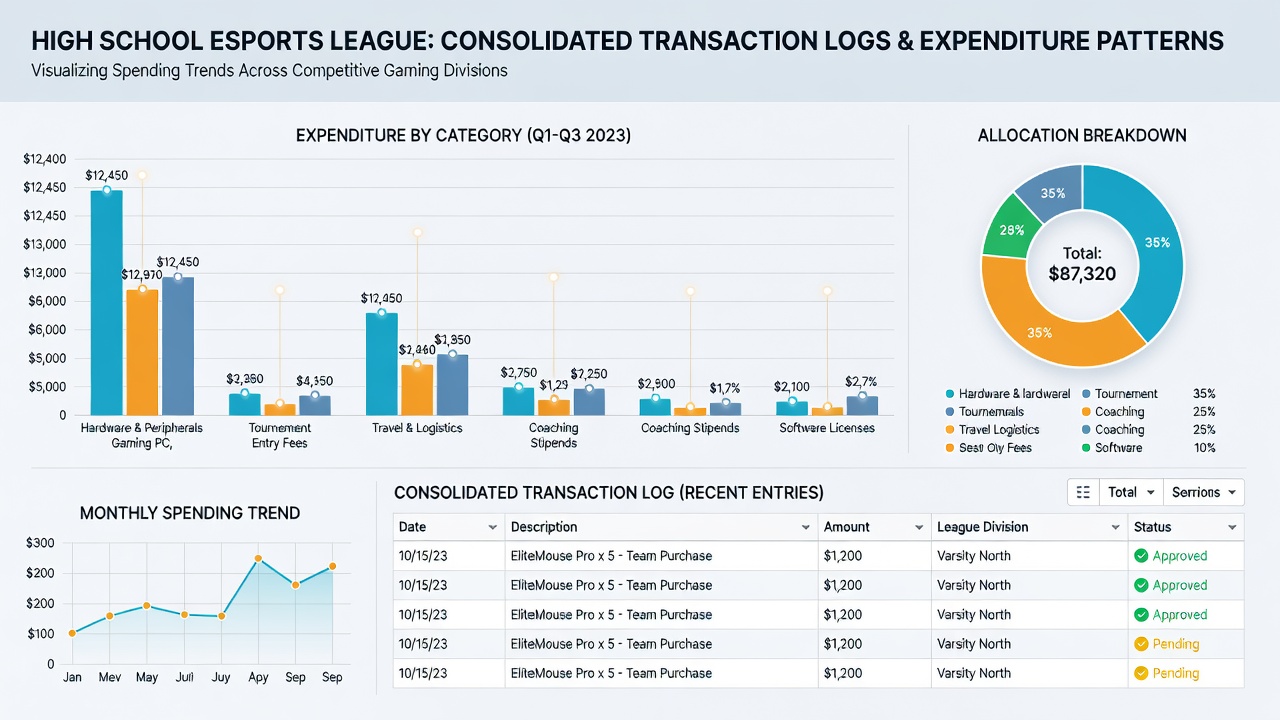
Those who have examined multi-year datasets observe that expenditure patterns also reflect broader technology shifts, such as the move from desktop PCs to laptops or the adoption of cloud-based practice platforms that replace physical LAN setups. Logs capture these transitions through changing vendor frequencies and declining line items for certain hardware types alongside rising entries for subscription services.
Implementation Across Regional Networks
Regional networks in the United States, Canada, and parts of Europe have begun standardizing log formats so that comparative studies become feasible at larger scales. The National Federation of State High School Associations published guidance in early 2026 encouraging members to maintain unified transaction records for esports programs. In parallel, European scholastic bodies have explored similar frameworks through partnerships with national gaming federations, though implementation timelines vary by country. Schools that adopted these standards early report smoother audits and clearer visibility into how grant dollars translate into specific equipment categories or event participation fees.
Take one league administrator who integrated logs from five separate payment processors and discovered that 14 percent of annual spending previously attributed to general operations actually belonged to recurring software licenses that had accumulated without review. Adjustments based on that finding shifted budget allocations toward additional coaching hours in the subsequent season.
Conclusion
Consolidated transaction logs continue to evolve as the central instrument for understanding expenditure patterns within high school esports leagues. By connecting individual purchases to broader seasonal and regional contexts, these records supply the factual foundation needed for resource planning, compliance verification, and cross-program comparisons. As more networks adopt standardized logging practices ahead of the September 2026 season openings, the granularity and comparability of available data are expected to increase further, supporting evidence-based decisions across an expanding array of scholastic esports activities.